Caryophyllene
Geschmack

Spicy

Woody
Wirkung

Antibacterial

Antifungal
Vorkommen und Wirkung
Caryophyllene oxide is a terpene found in many plants and spices, including basil, oregano, pepper, lavender and cannabis. It is formed by the oxidation of beta-caryophyllene in the air. The terpene is known for its characteristic woody, spicy scent, often associated with cloves. In nature it serves as an effective protective substance against bacteria and fungi and is at the same time the “typical” hemp odour compound that sniffer dogs are trained on to detect cannabis.

Live-Bestand
Terpene und Wirkung
What is caryophyllene oxide?
Caryophyllene oxide is an oxidised derivative of beta-caryophyllene that stands out above all for its pungent, woody smell. It is contained in many spices and medicinal herbs such as basil, oregano and rosemary. This terpene is characterised by its low volatility and occurs in crystalline form. It has strong antimicrobial and antifungal properties and is used in aromatherapy and in the perfume industry.
Caryophyllene oxide in cannabis products
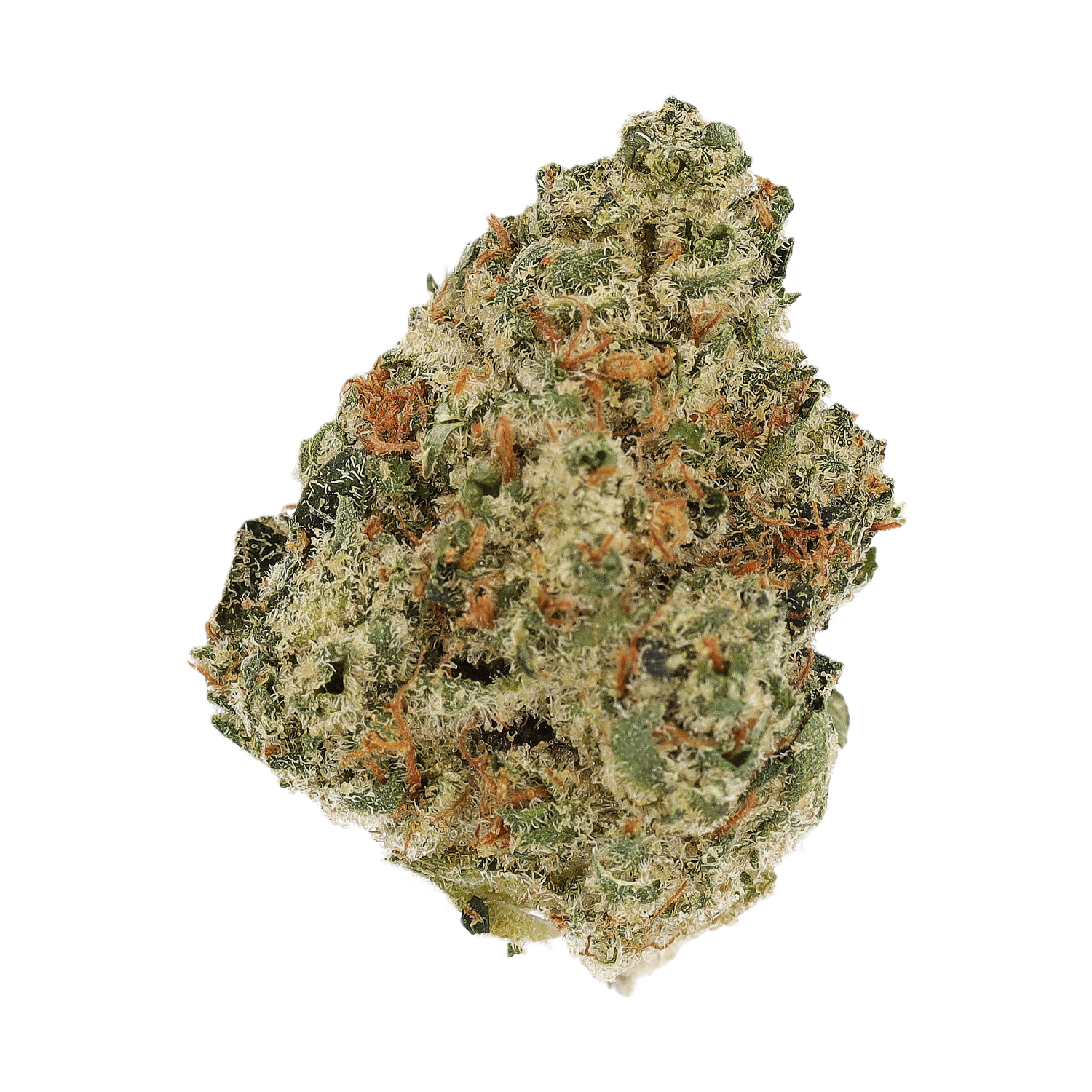
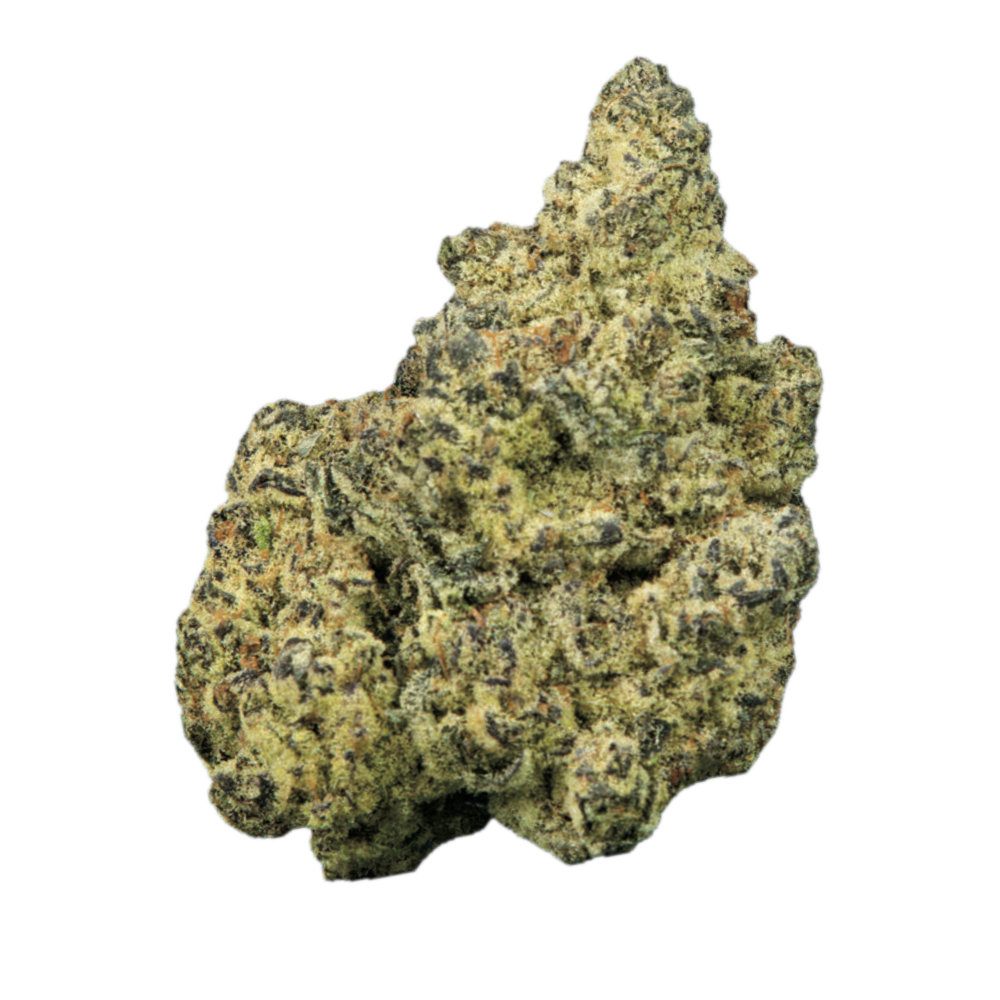
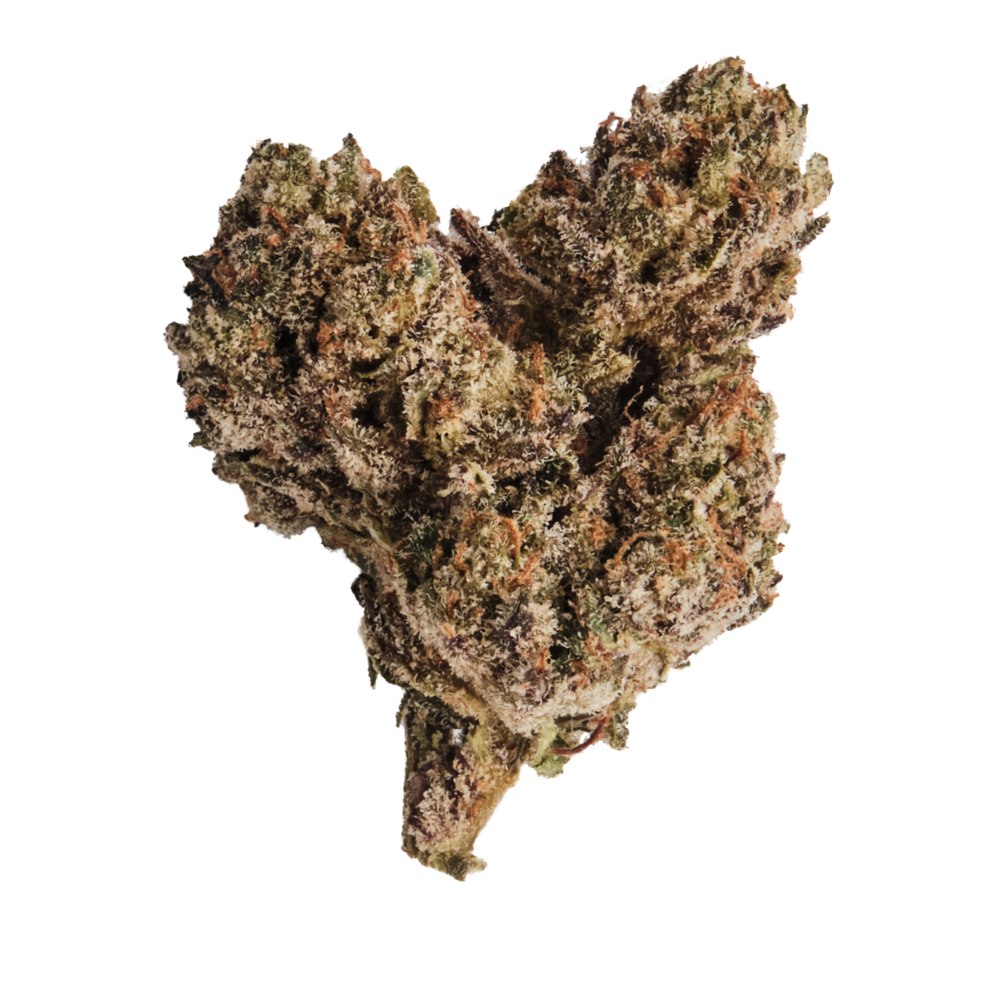
Caryophyllene oxide is often found in cannabis varieties such as “OG Kush”, “Sour Diesel” and some medical hybrids. It gives these varieties their characteristic spicy and slightly woody scent. In medicine it is popular because of its anti-inflammatory and antimicrobial properties. This terpene also plays a key role in the entourage effect and supports the effect of other cannabinoids. Its special aroma structure makes it an important component in products aimed at the full therapeutic potential of cannabis.
The unique profile of caryophyllene oxide
The terpene stands out from other terpenes through its distinctive scent of wood and spices. It is known not only for its medical applications but also as a strong antioxidant and natural preservative. Caryophyllene oxide is used as an active ingredient in creams and ointments used to treat skin infections and fungal diseases. It is also an essential component of many essential oils and perfumes that impress with their warming, spicy and woody aromas.
Medical benefits of caryophyllene oxide
The strong antimicrobial and antifungal properties of caryophyllene oxide make it a potential remedy for fighting bacteria and fungi. It has been shown to be effective against a variety of pathogenic micro-organisms, which makes it particularly useful for treating skin conditions and infections. Studies also suggest that caryophyllene oxide has an anti-inflammatory effect and can contribute to relieving inflammatory skin conditions. Because of these properties it is increasingly used in medicine and cosmetics.
Zusammenfassung und Fazit
Caryophyllene oxide is an interesting terpene with a distinctive, spicy scent that recalls cloves. It occurs in many plants and spices and offers a variety of medical benefits. These include its antimicrobial and antifungal properties, which make it an effective remedy against infections. In cannabis products caryophyllene oxide contributes to strengthening the therapeutic effect through the entourage effect. Overall, this terpene is a valuable component of many products and is used in medicine as well as in the cosmetics and perfume industries.
Caryophyllene FAQ
