Limonene
Geschmack

Citrus

Mint
Wirkung

mood-lifting

stress-relieving

Vorkommen und Wirkung
Limonene is a well-known terpene found in many plants such as lemons, oranges, juniper and mint. It gives them their characteristic fresh and lemony aroma. In cannabis, limonene is one of the most common terpenes after myrcene. It has versatile uses, from cleaning products to aromatherapy, and is valued for its mood-lifting and stress-relieving properties.

Live-Bestand
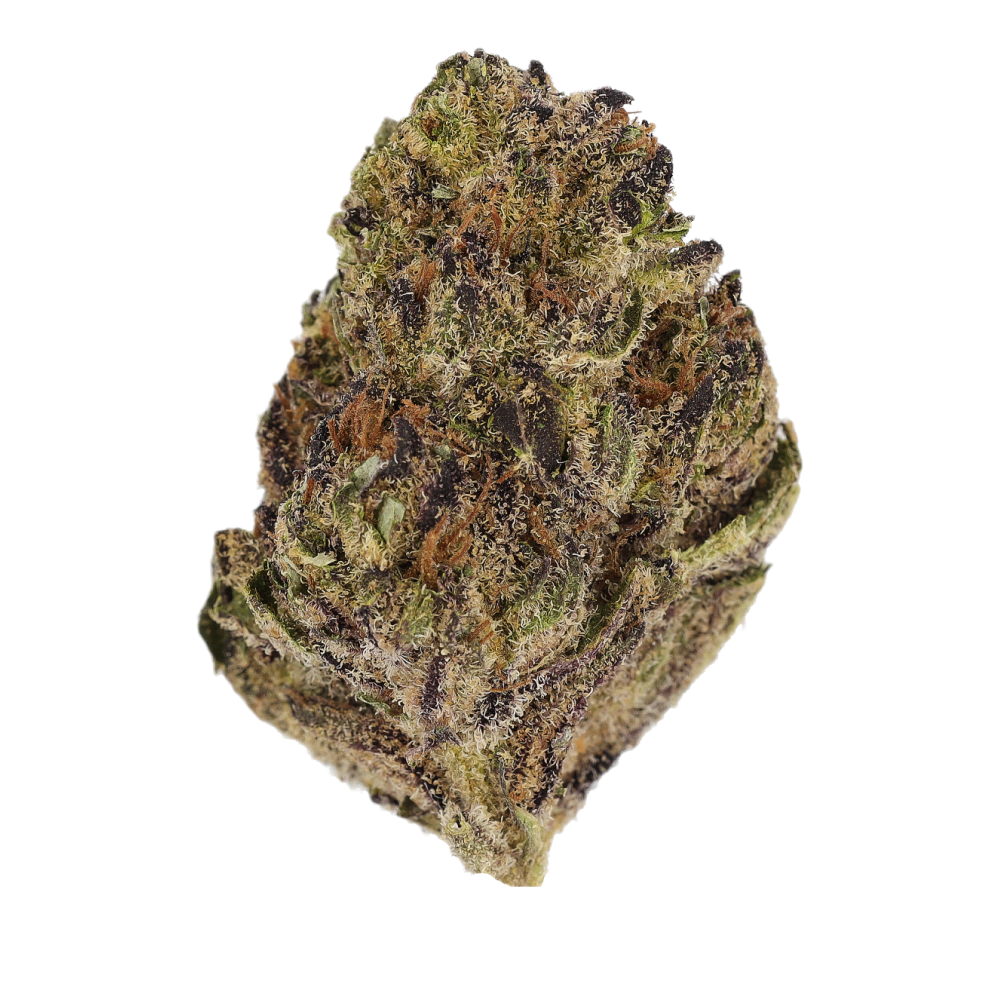
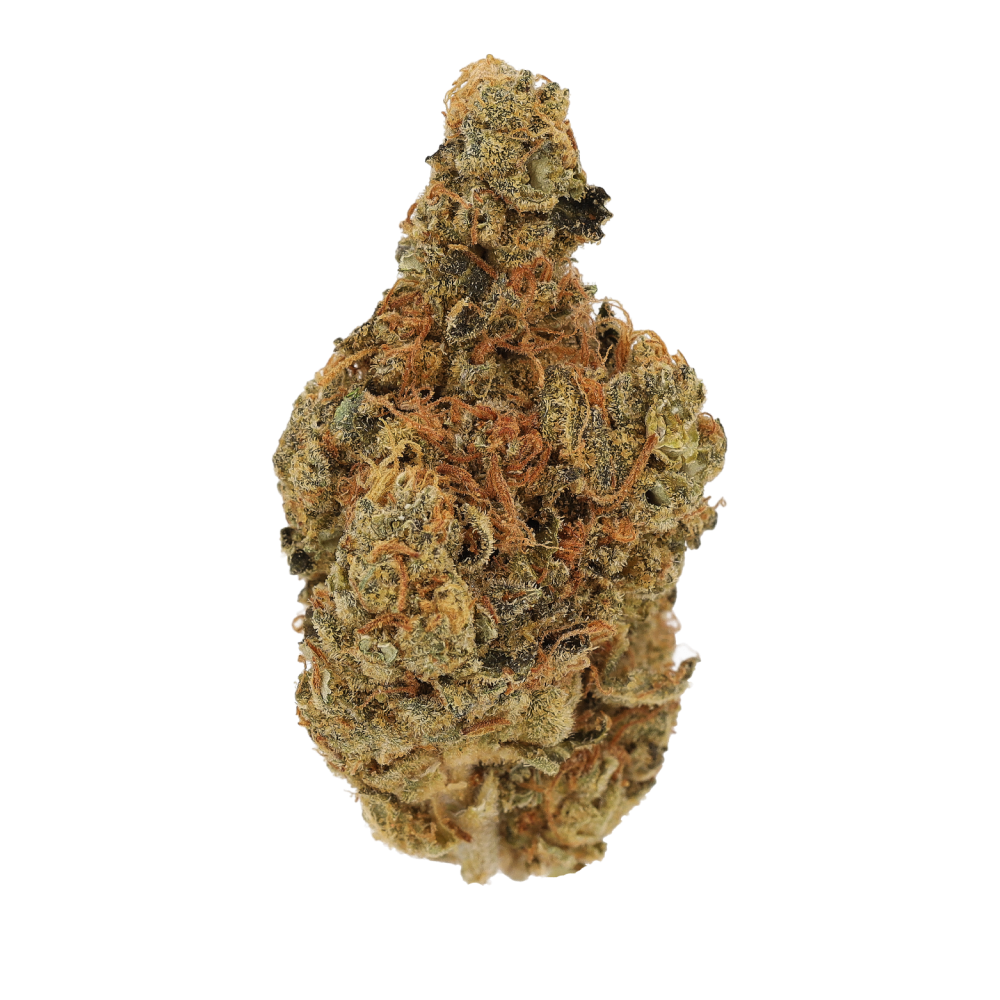
Terpene und Wirkung
What is limonene?
Limonene is a monoterpene found mainly in citrus fruits and cannabis. It is known for its refreshing, citrus-like aroma and is one of the most common terpenes in many cannabis varieties. Limonene consists of two isoprene units and is therefore light and volatile. It is used in the food industry, in cleaning products and in aromatherapy. In cannabis, limonene is often associated with varieties that have a lemony aroma and offer an invigorating effect.
Limonene in cannabis products
Limonene is strongly represented in many cannabis varieties such as “Jack Herer”, “Super Lemon Haze” and “Sour Diesel”. It gives these varieties their characteristic lemony scent and contributes to an energising and mood-lifting effect. Limonene also improves the absorption of other terpenes and active ingredients through the skin, the mucous membranes and the digestive tract. As a result it reinforces the entourage effect and supports the effect of cannabinoids such as THC. Limonene is an essential component of many cannabis products that offer an activating and invigorating effect.
The unique profile of limonene
Owing to its volatile nature, limonene spreads quickly and dominates the aroma of many cannabis varieties and citrus fruits. This terpene provides a refreshing and invigorating effect. As a so-called “helper terpene” it promotes the absorption of other terpenes and cannabinoids by improving their permeability through the skin, mucous membranes and digestive tract. Limonene is known not only for its fresh citrus scent but also for its ability to reinforce the effect of cannabis through the entourage effect.
Medical benefits of limonene
In preclinical studies limonene has demonstrated its mood-lifting and stress-relieving properties. It can contribute to relieving anxiety and depression and also has antimicrobial and anti-inflammatory properties. In aromatherapy it is often used to improve mood and reduce stress.
Zusammenfassung und Fazit
Limonene is a versatile terpene found in many plants, especially in citrus fruits and cannabis. It is characterised by a refreshing, lemony aroma and reinforces the effect of cannabinoids in cannabis varieties. Besides its pleasant scent profile, limonene also has potentially mood-lifting, stress-relieving and anti-inflammatory properties, which makes it a valuable component of many cannabis products.
Questions about limonene
